Introduction — a short scene, a stat, and the question
I used to sit backstage before a show, fingers still buzzing from the last set, thinking about how light can change mood as much as melody. In the same way, when you hunt for a red light therapy company, you’re searching for an experience — not just a product. Recent consumer feedback suggests roughly 60% of buyers feel confused by specs and claims when choosing a device, and trust me, that confusion shows in returns and unused units. So how do you cut through the marketing noise and find a provider that respects both science and your real needs?
I’ll be honest: I want choices that sound honest. And I want explanations I can hum along to. Over the next sections, I’ll share what I’ve learned — the flaws I see often, the hidden pains people keep to themselves, and what to watch for next. Let’s move from stage lights to lab lights and get practical.
Part 2 — Why common fixes fail: the hidden flaws of traditional solutions
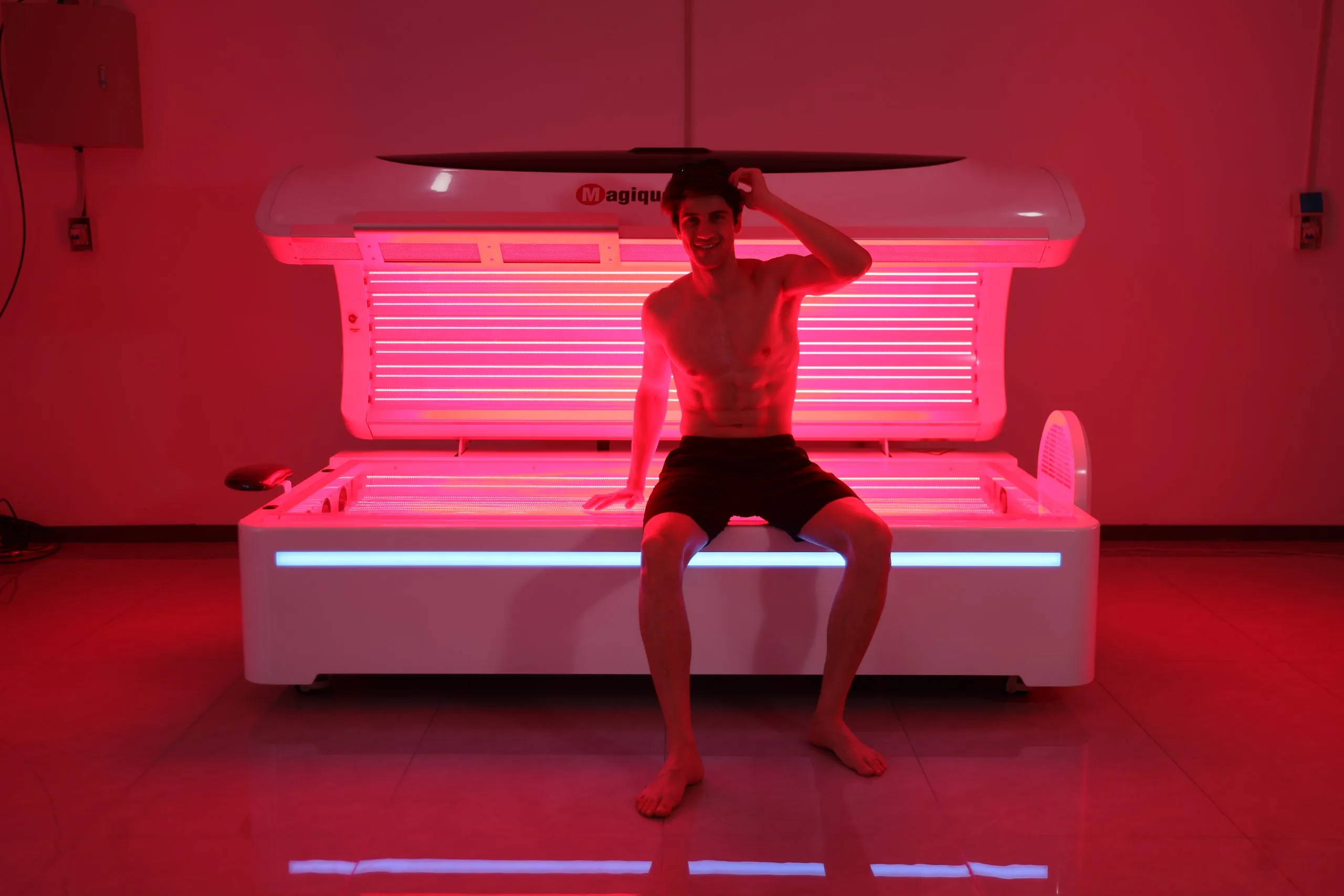
infrared red light bed manufacturers often focus on flashy specs — watts, color charts, marketing photos — while missing the real problems users face. In my experience, the classic solutions break down in three ways: inconsistent irradiance across the surface, poor wavelength calibration that misses therapeutic bands, and heat issues from weak thermal management. I’ve handled many setups where a bright-looking panel felt weak where it mattered. It’s frustrating. Look, it’s simpler than you think when you test properly.
What goes wrong in practice?
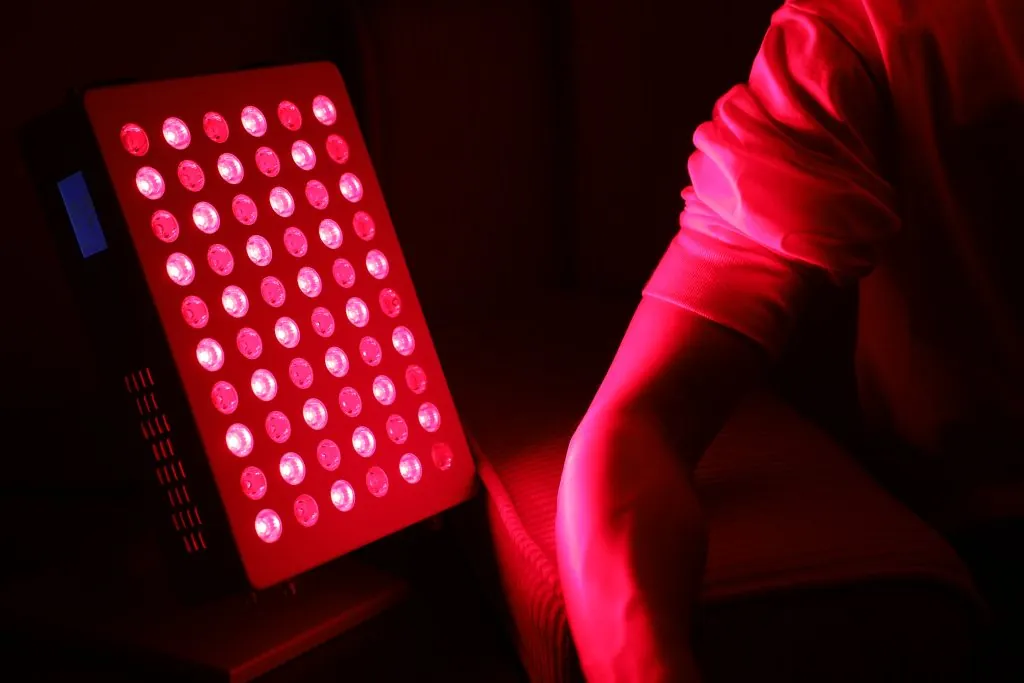
First, uniformity: users expect steady exposure but get hotspots and gaps. Second, real-world power handling depends on decent power converters and stable drivers — cheap parts wobble under daily use. Third, maintenance is ignored. People assume LEDs last forever, but without proper wavelength checks and cooling, performance drops. I’ve seen clients return machines labeled “clinical grade” that couldn’t keep irradiance over time. That’s not just a tech fault — it’s a design and quality problem that hits people’s wallets and trust.
Part 3 — Looking ahead: new principles and practical metrics
So where do we go from here? I see two helpful paths: better engineering and clearer user-centered claims. A next-generation approach prioritizes calibrated output, redundant thermal management, and modular LED arrays that are easy to service. When you compare devices, I recommend thinking about real measures — not only peak output but sustained irradiance, verified wavelength bands, and component quality like stable power converters. These matter for real results.
What’s next for buyers?
In the near future, expect brands to show test data and to let you compare real-world graphs (irradiance over time, temperature under load). I’m optimistic here — manufacturers that adopt transparent testing and better thermal designs will stand out. — funny how that works, right? Still, vendors must earn trust. I suggest you ask for lab reports, or at least clear specs you can verify with a simple meter.
To wrap this up with something practical: when you evaluate a red light therapy option, use three core metrics. First, sustained irradiance (not just peak watts). Second, correct wavelength calibration across the therapeutic bands. Third, thermal management and serviceability — how easy is it to replace parts or get repairs? I believe those three checks will save you time and money, and help you find a company that respects both science and people. For a brand that emphasizes clear specs and user support, I recommend checking out Magique Power.