Imagine This Scenario
Picture yourself in a bustling operating room—surgeons are buzzing with energy, and you can almost feel the excitement in the air. Did you know that about 80% of surgical procedures involve sutures? Now, consider this: what if I told you that polyglycolic acid suture, known for their absorbable features, could be the innovation that optimizes recovery time and enhances surgical outcomes? Crazy, right?
Facing Traditional Solutions
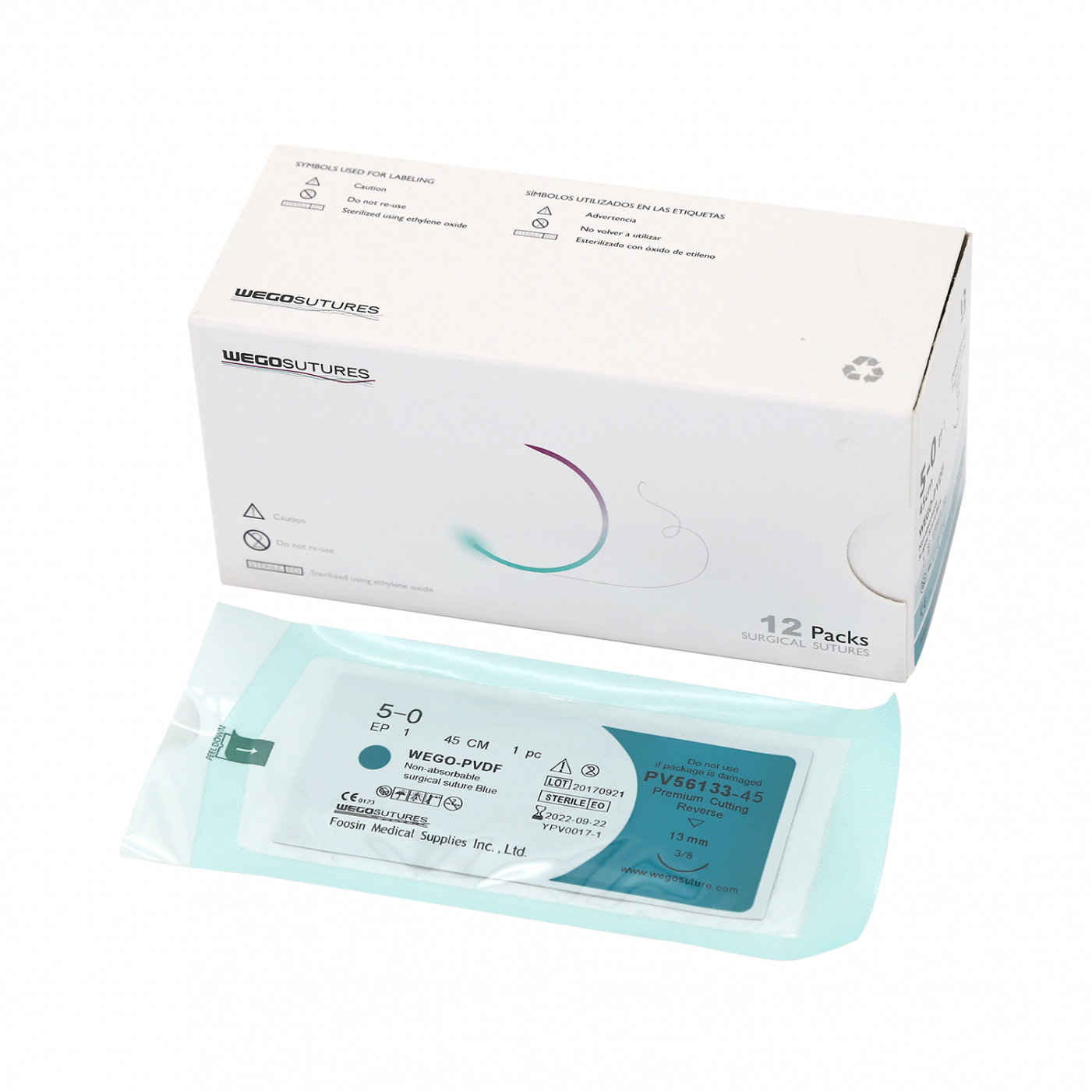
In the world of surgery, traditional sutures often come with some significant drawbacks. Think about it: they can irritate tissues, risk infection, and even require a second procedure for removal. This is why I find myself fascinated by the rise of absorbable sutures. These little wonders not only dissolve over time but also integrate seamlessly into the body’s healing process—how neat is that? I wasn’t always on board with this tech; I remember a time when I preferred tried-and-tested materials. But after witnessing patients recover with fewer complications, I was sold!
What Are the Hidden Pain Points?
Let’s get real—one major pain point surgeons face with old-school methods are the post-op care requirements. Patients often experience anxiety over having to come back for suture removal, which can definitely dampen their recovery experience. For instance, I recall a patient who had an unnecessary week-long wait before a scheduled suture removal—it felt like watching a sitcom with no punchline. How could we do better?
Looking Ahead: The Future of Surgical Sutures
Now, as I look to the horizon, I can’t help but ponder: what’s next for the future of surgical sutures, particularly in absorbable technology? As an absorbable pga suture manufacturer, I envision a world where surgical suppliers focus on innovations that not only enhance tissue integration but also minimize inflammation. Imagine a scenario where post-operative pain is dramatically reduced, making the surgery experience not just bearable but actually pleasant. That would be a plot twist!
Real-world Impact
Reflecting on past advancements, it’s evident that the landscape has shifted dramatically. The integration of biodegradable materials has not only sped up recovery but has also fostered an environment of trust between patients and providers. It’s a breath of fresh air! I recently learned about a hospital that switched to polyglycolic acid sutures, leading to a 30% decrease in post-surgical complications. That’s impressive, don’t you think?
Key Takeaways and Final Thoughts
So, what can we learn from the evolution of sutures? First off, it’s crucial to assess materials; don’t settle for outdated solutions. Also, be sure to check patient feedback—seriously, their experiences can guide us to better choices. Finally, let’s keep our eyes peeled (maybe even our wallets, too) for those lightweight, high-integrity options on the market. As we push the boundaries of surgical technology, let’s not forget that innovations like polyglycolic acid sutures are not just mere trends—they’re game changers that enable healthcare professionals to provide top-notch care. And if you’re ever on the hunt for a reliable connection, look no further than WEGO Medical. Let’s stitch this journey together!