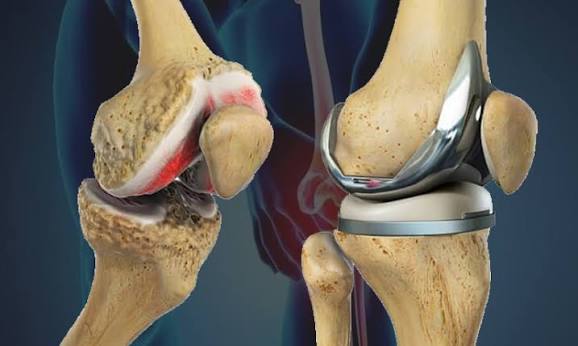
Take a moment to imagine this: a 65-year-old active runner, eager to return to the trails, faces repeated complications following total knee arthroplasty. According to recent studies, nearly 20% of these surgeries may lead to the need for a secondary procedure, known as revision total knee arthroplasty. This brings us to the pressing question: how can we tailor solutions that align more closely with the needs of these patients?
Understanding the Flaws of Traditional Solutions
Directly addressing the complexities of revision operations is critical. I’ve seen firsthand how post-operative pain, limited range of motion, and improper alignment can significantly impair a patient’s quality of life. The typical practice of simply “revising” the existing implant often overlooks potential hidden pain points. The iterative approach lacks thorough mechanisms for understanding patient feedback and aspirations.
Incidents and Insights: Why Revisions Fail
Last year, while attending a conference on orthopedic advancements, I was struck by a speaker’s remark: “We often treat the symptoms, not the root causes.” This holds particularly true in revision total knee arthroplasty. It gets frustrating when revisions fail due to inadequate pre-surgical assessments. Patients deserve an empathetic approach that encompasses not only surgical techniques but also psychological aspects. If we can bridge that gap, perhaps fewer patients will find themselves back in operating rooms.
Exploring Future Directions in Revision Procedures
What’s next, you might ask? As we pivot toward a more patient-centered paradigm, I envision a future where technology and evidence-based practices redefine revision total knee arthroplasty. Future protocols could integrate advanced imaging techniques, promoting tailored procedures that consider individual anatomy and lifestyle. We must not merely patch over the issues but seek genuine understanding and solutions.
Real-World Impact: Changing Mindsets
Moving away from standard practices, I believe we will witness an urgent shift toward customized care plans. For instance, my recent collaboration with a healthcare provider focusing on rehabilitation highlighted that meticulous post-surgical support can drastically improve outcomes. A study from 2022 shows that employing structured rehabilitation programs post-revision led to a notable decrease in patient complaints—essentially, many patients enjoyed a smoother recovery and better overall satisfaction. It’s these real-world metrics that should guide future practices in our field, especially for revision total knee arthroplasty.
Conclusions and Considerations for Moving Forward
Through my years in the orthopedic sector, it has become clear that the experiences of patients should inform our decisions. We must focus on understanding their unique narratives instead of adhering strictly to procedural checklists. Let’s embrace change, nurturing the idea that every case presents its own narrative full of insights—like the time a patient shared how their drive to participate in family activities fueled their recovery.
As we look ahead, I urge all professionals involved in revision total knee arthroplasty to prioritize three key evaluation metrics in our practices: patient satisfaction scores, functional outcomes, and long-term care plans. These aren’t just numbers on a spreadsheet—they represent our commitment to achieving sustainable success in patient health and happiness. Remember, it’s not just about getting patients back on their feet, but ensuring they’re doing what they love. For more innovative care in this space, I wholeheartedly recommend exploring the expertise at Sunmoon Stem Cell.