Island-Grid Morning: Choices on a Deadline
The sun climb over the bay, and the power room feel hot already—deadline on your back, customers on your line. Across the region, installs of energy storage batteries grow fast every quarter, pushing grid plans and budgets to the edge. So why do some projects glide while others stumble, even when specs look neat on paper (mi fren, you know the drill)? Here’s a number to chew on: despite strong demand, many sites still report delays tied to pack availability and uneven quality—funny how that works, right?
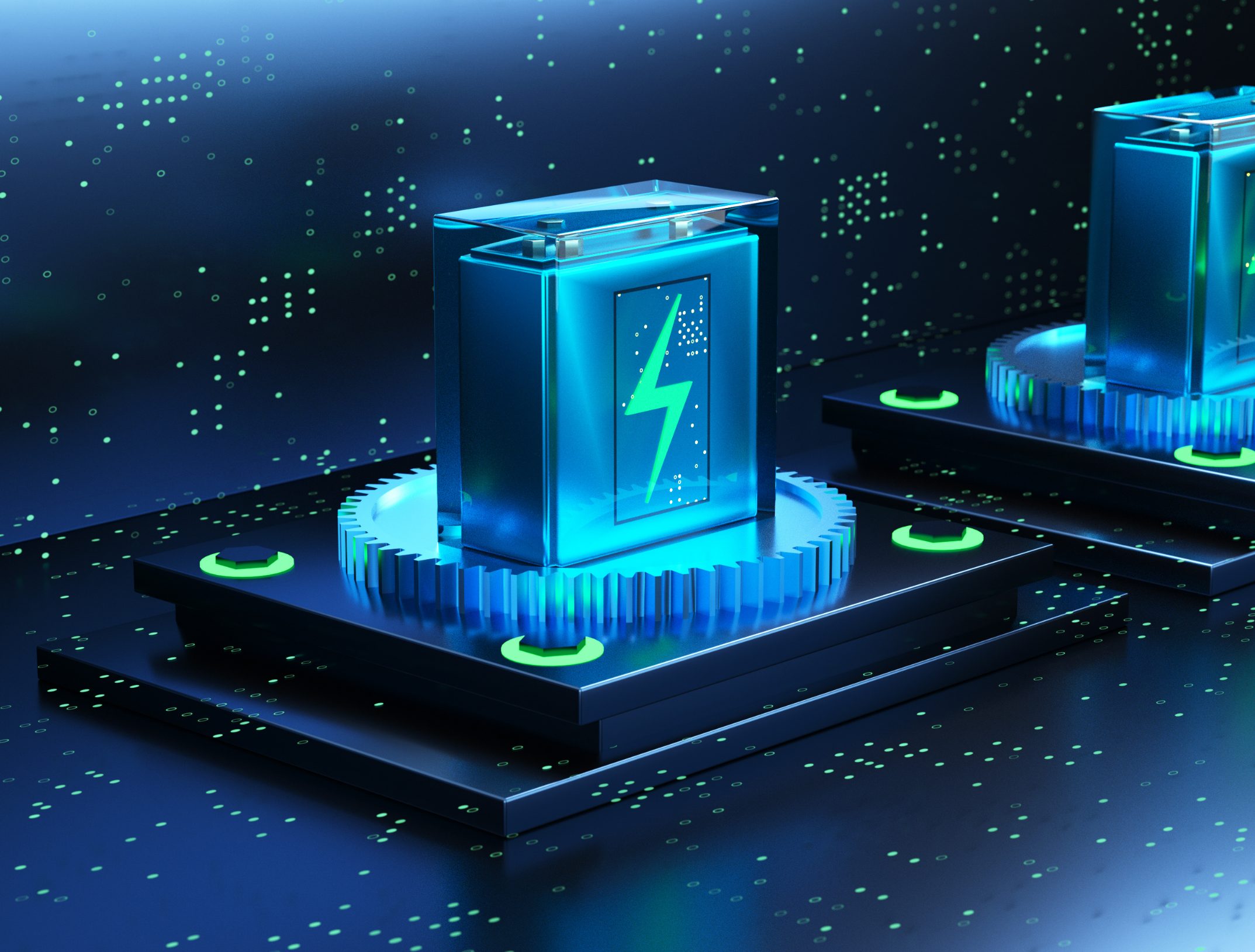
Now ask yourself this: is the slow part the product, or the process that builds it? If the factory can’t keep stable yield and traceability, the field team will fight fires every week. Yuh see the point? The bottleneck move from warehouse to workshop to inverter yard. Let’s step inside the line and compare what really matters next.
Under the Hood: Why LIB Manufacturing Trips You Up
In lib manufacturing, the costs that break your rollout don’t sit inside the spec sheet—they hide between steps. Traditional lines chase throughput first, then patch quality late. That’s backwards. Roll-to-roll coating drifts create cell capacity spread; formation cycling times swing; and pack builds inherit the mismatch. A battery management system that tries to herd uneven cells will run hot on balancing, skew state of health estimates, and nibble away cycle life. Add in weak moisture control, and you invite lithium plating risk from day one. Look, it’s simpler than you think: unstable inputs guarantee unstable fleets.
Where do quality slips hide?
They hide in places you don’t instrument. Without inline vision plus edge computing nodes, tiny defects slip past calendering. Without SCADA and a tight MES, you lose genealogy, so a field fault can’t be traced back to a coating lane or a drying profile. Then the site crew blames power converters for voltage ripple that actually started as cell variability. The pain point is not only yield loss—it’s confidence loss. Teams start over-spec’ing buffers, and logistics swell. Compare two lines: one with closed-loop process control and tight CpK, the other with end-of-line rework. Same BOM, different fleet reality.
What’s Changing: Principles Behind the New Wave
The next wave fixes roots, not symptoms. New lines apply model-based control to coating and drying, then verify with inline spectroscopy and high-speed cameras—feedback closes in milliseconds. Digital twins simulate formation cycling curves before hardware changes, so you trim hours without hurting SEI quality. Cell-to-pack layouts reduce interconnects, but only if upstream variance is tamed; otherwise, you push stress into the pack. Modern lib manufacturing brings traceability by default: every cell tagged, every step logged, every alarm linked to root cause. And yes, edge computing nodes near the line filter data before the cloud—less noise, faster action.
What’s Next
Expect modular power converters on formation racks for fine-grain current control, plus smarter test profiles to read state of charge and state of health earlier. Expect MES that talks to planners, so material flow matches takt—no starving, no piles. The takeaway from above? The weak link was never only the pack; it was the messy spread coming from upstream steps and the fog over your data. Shift your comparison lens from “Who sells the cheapest cell?” to “Who proves stable process, clear genealogy, and fast root-cause loops?”—that’s the real savings, long term.
Advisory close-out: use three metrics before you choose any line or partner. 1) Process capability: show CpK and drift limits across coating, calendering, and formation (not just average yield). 2) Traceability depth: cell-to-pack genealogy with response time from alarm to cause under minutes, not days. 3) Ramp discipline: time to reach stable OEE above 85%, with documented corrective actions. Do that, and your field crew will sleep better. Miss it, and you’ll chase ghosts on every site, week after week—nobody want that. For steady gains and clear comparisons, keep learning with LEAD.