Understanding the Complexity
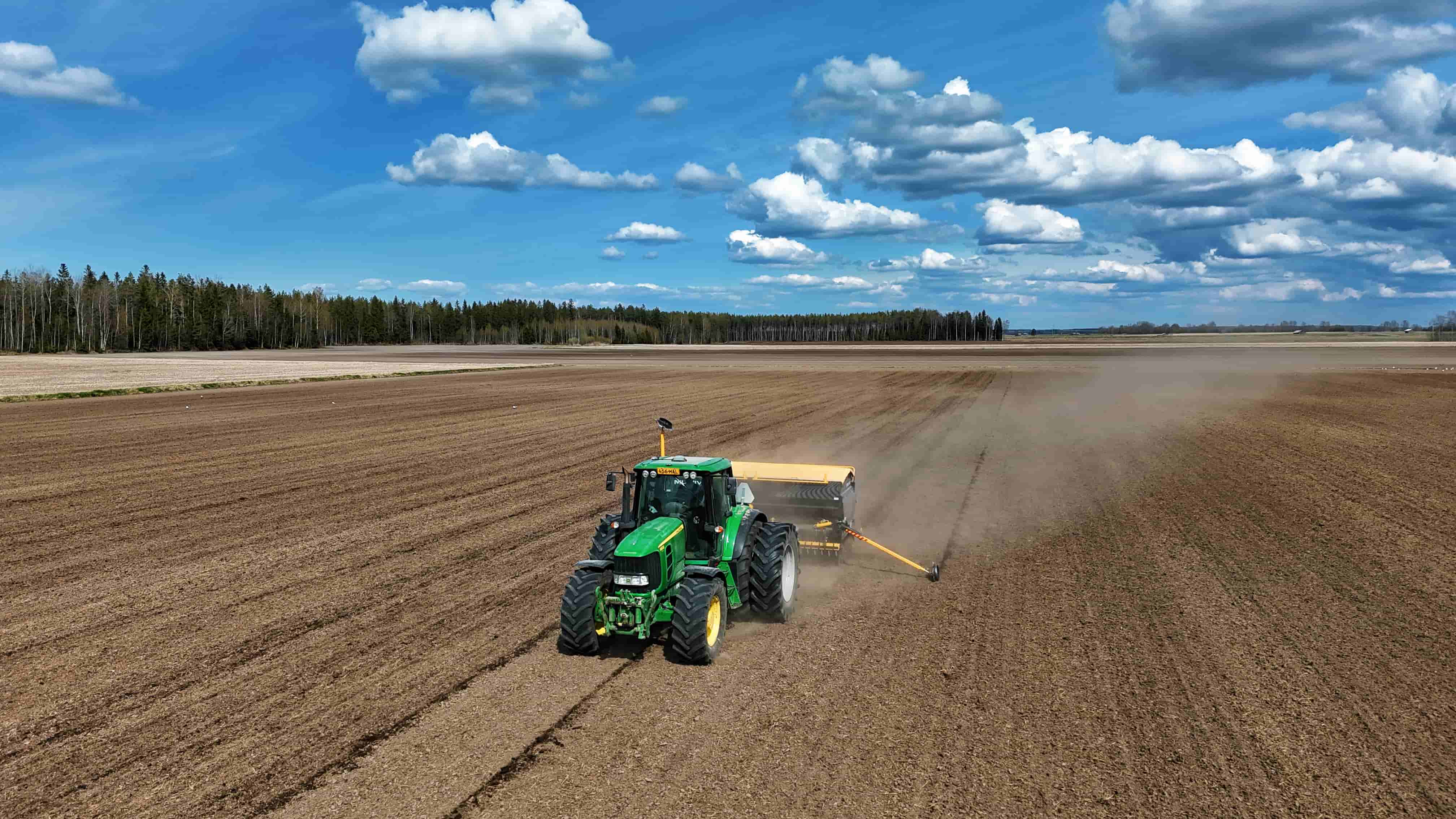
Picture this: A farmer in Iowa struggles to maintain straight rows in his vast cornfield, costing him time and resources. Recent studies indicate that over 60% of farmers encounter similar issues while relying on traditional steering methods. How can tractor autosteer systems revolutionize this crucial aspect of farming? Tractor autosteer systems promise to eliminate such inefficiencies, yet many still face difficulties in implementation.
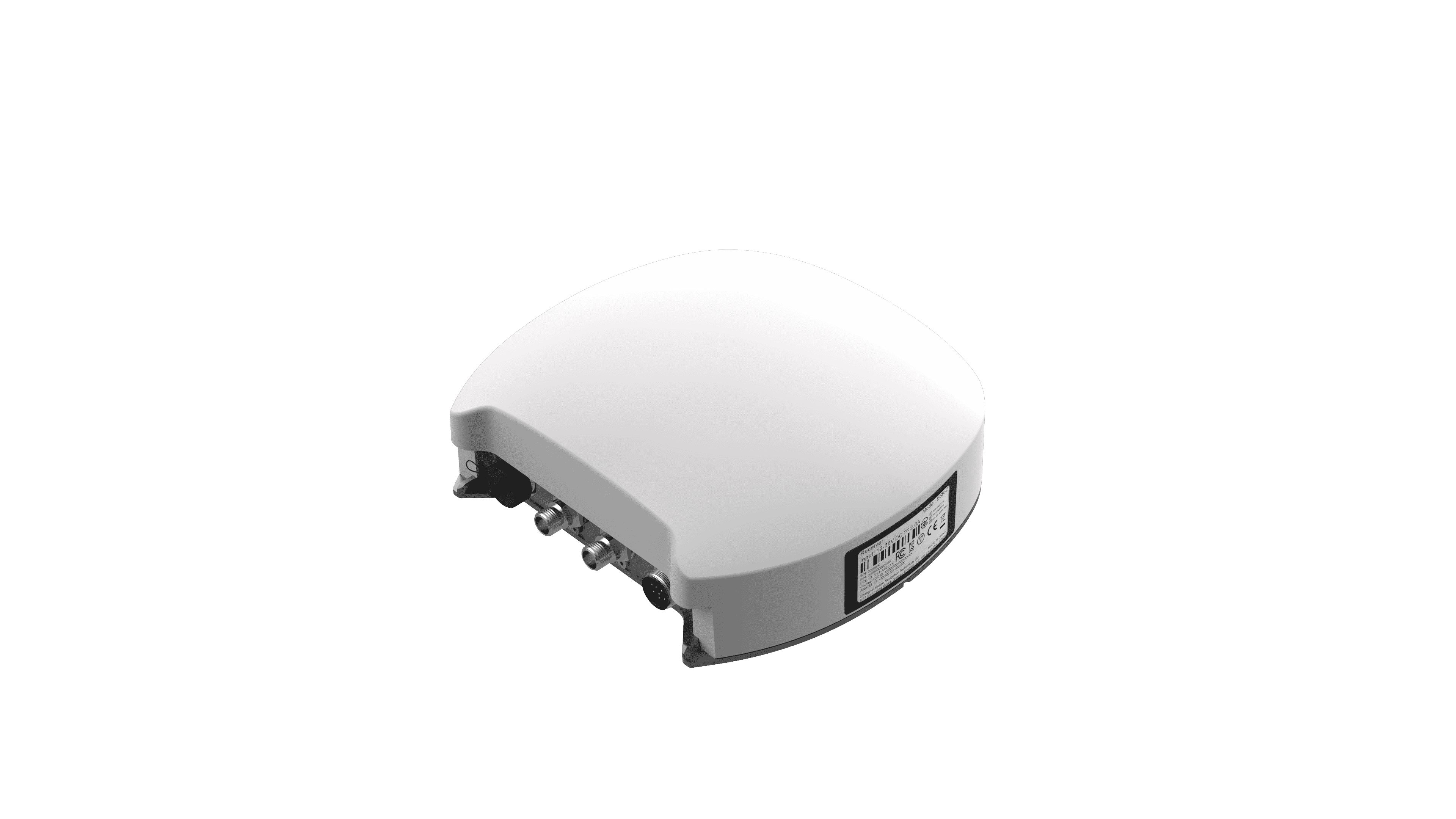
The complexity of these systems can be overwhelming. I vividly recall my first encounter with an autosteer system during a demo in 2018. The technology seemed promising, but navigating through the settings and calibrations was a challenge! Understanding how GPS signals, in combination with hydraulic steering, work is vital for optimal performance. It’s not just about the shiny gadget; it’s about knowing how to integrate it with existing equipment. Frustration often stems from a lack of comprehensive training on these devices.
What Are the Common Pitfalls?
Given the rapid evolution of technology, particularly in the field of agriculture, many users experience significant hurdles when adopting autosteer systems. Users often confront technical issues that can impede their productivity. For instance, connectivity problems with satellite signals can lead to erratic steering, leaving users questioning their purchase decisions. Despite their potential for enhancing efficiency and accuracy, many systems leave users feeling bewildered, emphasizing the need for thorough user education and support. Furthermore, farmers face challenges when integrating these systems with older tractor models—talk about a headache!
Looking to the Future
As I look ahead, I can’t help but feel optimistic about the future of tractor autosteer systems. The improvements in ease of use and integration capabilities are evident. Imagine a seamless interface where users can easily switch between manual and autosteer controls, all while receiving real-time feedback on their agricultural practices. This evolution could truly transform the farming landscape. Companies are investing heavily in user experience to address current flaws and elevate satisfaction.
Moreover, an increase in mobile applications enables farmers to monitor and adjust their steering systems from their smartphones. I recently learned about an innovative app that connects tractors with a central firmware management platform—what a game-changer! As these systems continue to mature, farmers will benefit from enhanced user support and more intuitive designs, effectively reducing the common pain points associated with traditional models.
Real-world Impact
To summarize what I’ve shared: there’s a glimmer of hope amid the previous complications. The developments in tractor autosteer systems are indeed noteworthy, showcasing a shift toward user-centric designs. However, farmers must remain vigilant and proactive in demanding comprehensive training and support as they navigate this technological landscape. By advocating for their needs, users can pave the way for solutions that truly amplify their efficiency and accuracy in the field.
Investing in a robust autosteer system takes insight—just as I have learned through my journey over the last 15 years in the industry. Companies like EFIX are stepping up to the plate, bringing invaluable advancements that help farmers embrace the future with confidence.