Introduction
I once watched a technician juggle an induction chamber and a leaking mask while a timer ticked—funny how that works, right? In our clinic we log dozens of procedures monthly, and the choice of a small animal anesthesia machine influences outcomes more than many expect. The data is simple: variability in anesthetic delivery shows up as longer recovery times and stress in animals; even small leaks raise the end-tidal concentration by unpredictable amounts. So what do we do when devices and workflows clash—can we make anesthesia smoother, safer, and simpler for staff and animals? (I will share what I’ve learned.)
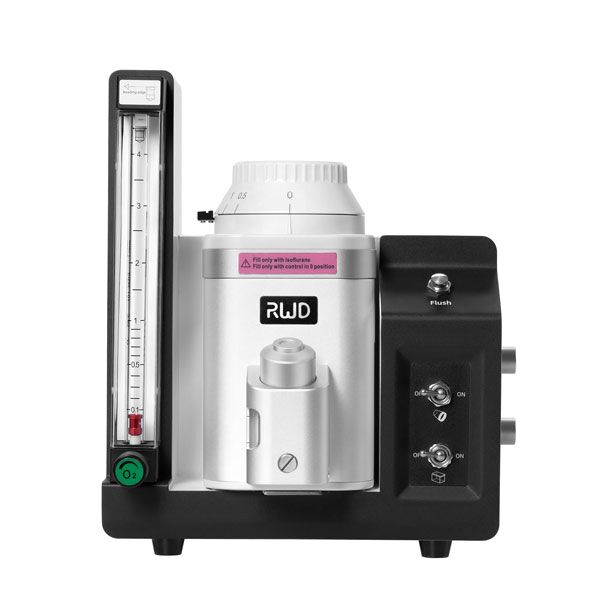
Deep Dive: Hidden Flaws and User Pain Points
Start here: the mouse anesthesia mask often gets the blame, but I’ve found the real problems are layered. Technical faults—poor seals, excessive circuit dead space, or a mismatched flowmeter—amplify stress in tiny patients. In practice, an ill-fitting mask increases CO2 rebreathing. I’ve seen vaporizer settings that seemed correct but were undermined by small leaks around the nose and head. We use terms like vaporizer, flowmeter, and scavenging system daily; they are not abstract words but pieces of a chain. If one link fails, the chain stretches—and the patient pays.
Why do masks still fail?
There are human factors too. Staff turnover means inconsistent technique; novice users may over-tighten, or under-support the airway. The induction chamber can help for quick starts, but it does not replace a precise mask fit. Look, it’s simpler than you think: we need good ergonomics, clear markings, and quick checks. I worry most about cumulative small errors—tiny leaks, wrong tubing connectors, or missed calibration—because they add up. In addition, power issues (power converters) and monitoring gaps (gas analyzer delays) sometimes leave us reacting rather than preventing. I prefer to address ergonomics and training first; the tech upgrades come next.

Future Directions: New Principles and Practical Metrics
When I look ahead, new technology principles matter: closed-loop delivery, smarter leak detection, and integrated gas analyzers that give real-time feedback. The mouse anesthesia mask will remain central, but its role changes when paired with sensors that track end-tidal concentration and minute ventilation. Imagine a system that alerts you to rising CO2 or to a drop in flow—edge computing nodes could process that data at the bench, not in the cloud, so alerts are immediate. This is not sci-fi; it’s practical design with small computing modules and reliable power converters to avoid interruption.
What’s Next?
Real-world deployments will focus on hybrid solutions: better hardware ergonomics plus simple software that guides users step by step. We will see more modular circuits where masks, tubing, and scavenging all click together in a foolproof way. I expect standards to shift—faster calibration routines, clearer labeling, and built-in training prompts. — I’m optimistic. These changes shorten learning curves and reduce user anxiety. The next generation of machines should cut variability and raise confidence during induction and recovery.
To evaluate options, I recommend three metrics we actually use: reliability (time between failures and consistency of vaporizer output), ergonomics (fit, weight, and ease of mask placement), and responsiveness (how quickly the system detects leaks or concentration drift). I always test a device on those three before recommending adoption. If you keep these metrics in mind, selection becomes objective instead of emotional. For practical sourcing and trusted designs, consider vendors who support training and spare-part supply—then you get both hardware and human support. For example, I’ve had good experiences with products and resources from BPLabLine.