Why One Hybrid Room Succeeds While Another Stalls
Here’s the truth up front: the room that looks “simple” often fails the hardest. Many teams rush into hybrid meeting room solutions, then wonder why the audio drops, the camera lags, or the screen share fights back. Your core topic here is an onsite and remote meeting system that can serve both sides without drama. Picture a Monday stand‑up: five in the room, ten remote, all needing equal voice and screen time. Industry surveys keep saying more than half of meetings run hybrid now, and the rate climbs each quarter. Yet performance gaps persist. Latency creeps. The DSP breaks harmony. Beamforming mic logic gets confused by side talk. So, nou wè sa, the “small” glitch turns big when it hits your clients. And it raises a sharper question: if we keep buying more gear, why does the experience still feel uneven (se pa vre)? The answer sits in how rooms are stitched together—policies, pathways, and priorities—not just the boxes on the wall. Let’s move from reaction to comparison, then to control, one layer at a time.
The Quiet Flaws Behind the Screens
Where do the glitches begin?
Most “traditional” kits chain USB hubs, a single codec box, and a mixed bag of firmware. It works—until it doesn’t. When several endpoints fight for bandwidth, codec jitter and echo cancellation collide. Beamforming microphone arrays lose focus as people swivel or whisper to the side. A lone DSP pipeline gets overloaded. And without QoS shaping or SD‑WAN to prioritize traffic, your remote folks catch every stutter. Look, it’s simpler than you think: these rooms fail not because people talk too much, but because the signal paths were never mapped with intent. One mis-set sample rate or outdated driver, and the room’s confidence drops—funny how that works, right?
There’s another hidden snag: human flow. Users do not follow a “perfect” script. They join late, plug in odd adapters, and switch apps mid-call. Traditional setups assume compliance; real rooms need forgiveness. Auto-framing cameras panic when two presenters cross paths. Power converters hum, and that tiny noise rides the line into the call. Meanwhile, your policies might force restarts to “fix” issues, wasting five minutes of every hour. Multiply that by teams, by days. The gap isn’t only technical; it’s cultural. Rooms must bend to people, not push people to bend to rooms. Comparative insight says: don’t ask, “Which feature is better?” Ask, “Which system stays stable when nobody behaves ‘ideal’?”
Next-Gen Principles to Close the Gap
What’s Next
Forward-looking rooms treat reliability as an architecture, not a checkbox. Instead of a single hero device, spread the load. Edge computing nodes inside the room handle real-time noise suppression and auto-mix before traffic even hits the cloud. PoE simplifies power paths, while calibrated gain staging protects headroom. On the network side, WebRTC with strict QoS lanes keeps media packets ahead of chat and file sync. This is where hybrid meeting technology earns trust: by standardizing the path, not just the hardware face. We compare outcomes, not brand slogans. Which design contains failure? Which one surfaces status in plain language? Which adapts when the executive brings a different laptop and a last-minute deck?
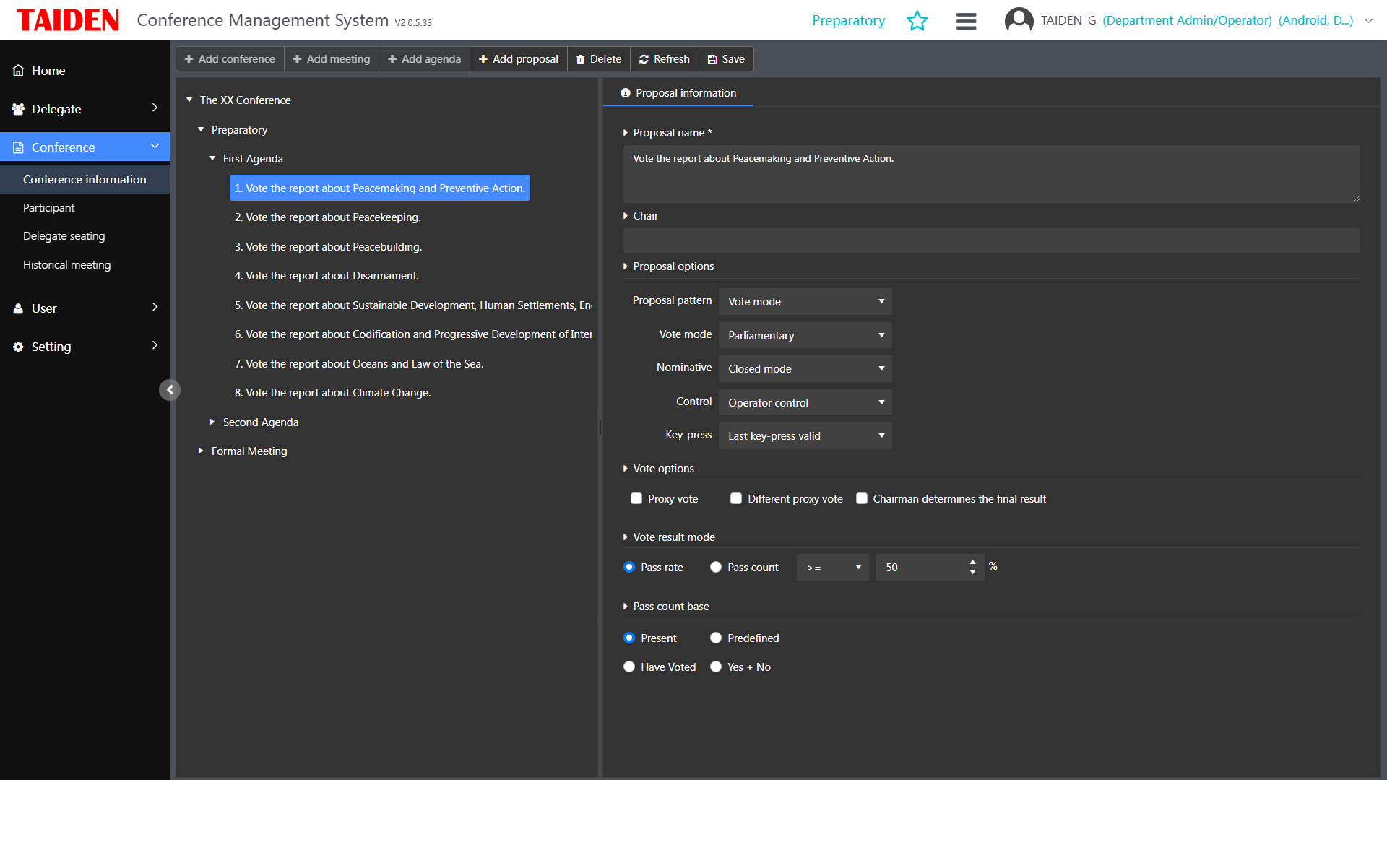
Case by case, the rooms that win adopt small, steady guardrails. Health probes watch CPU on codecs and DSPs. Policies auto-recover services instead of asking users to reboot. Camera logic blends face detection with room zones, so presenters move, and framing stays calm. And yes, redundancy counts; a secondary network path and spare power converters keep the show running—until someone notices nothing went wrong, at all. That’s progress. Now, to choose well, hold three metrics in hand. First, latency budget: end-to-end under 150 ms during load, or the human rhythm breaks. Second, room equity index: can far-end voices cut through as clearly as in-room voices, measured by SNR and talk-time balance. Third, maintainability score: updates, logs, and rollbacks in two clicks or less, even when people are mid-meeting. Stay curious, stay practical, and keep your rooms steady; that’s how teams breathe. For deeper exploration with a steady hand, see TAIDEN.