A Split-Second Choice on the Floor
Define the job first: a controller must turn sensor noise into motion without delay. An amr controller sits at the heart of that split-second call. Picture a loading dock at shift change. Two pallets arrive off schedule; a picker steps into a corridor; one robot hesitates. The right mobile robot controller trims reaction time by tens of milliseconds, which can mean fewer stops and smoother handoffs. In many sites, 8–15% of route time is lost to micro-stalls, retries, and path replans. That is real money. SLAM maps drift a bit. Edge computing nodes spike. CAN bus frames bunch under load (it happens). So here is the core question: when throughput dips or near-miss logs climb, is your latency budget blown by code, wiring, or decisions?
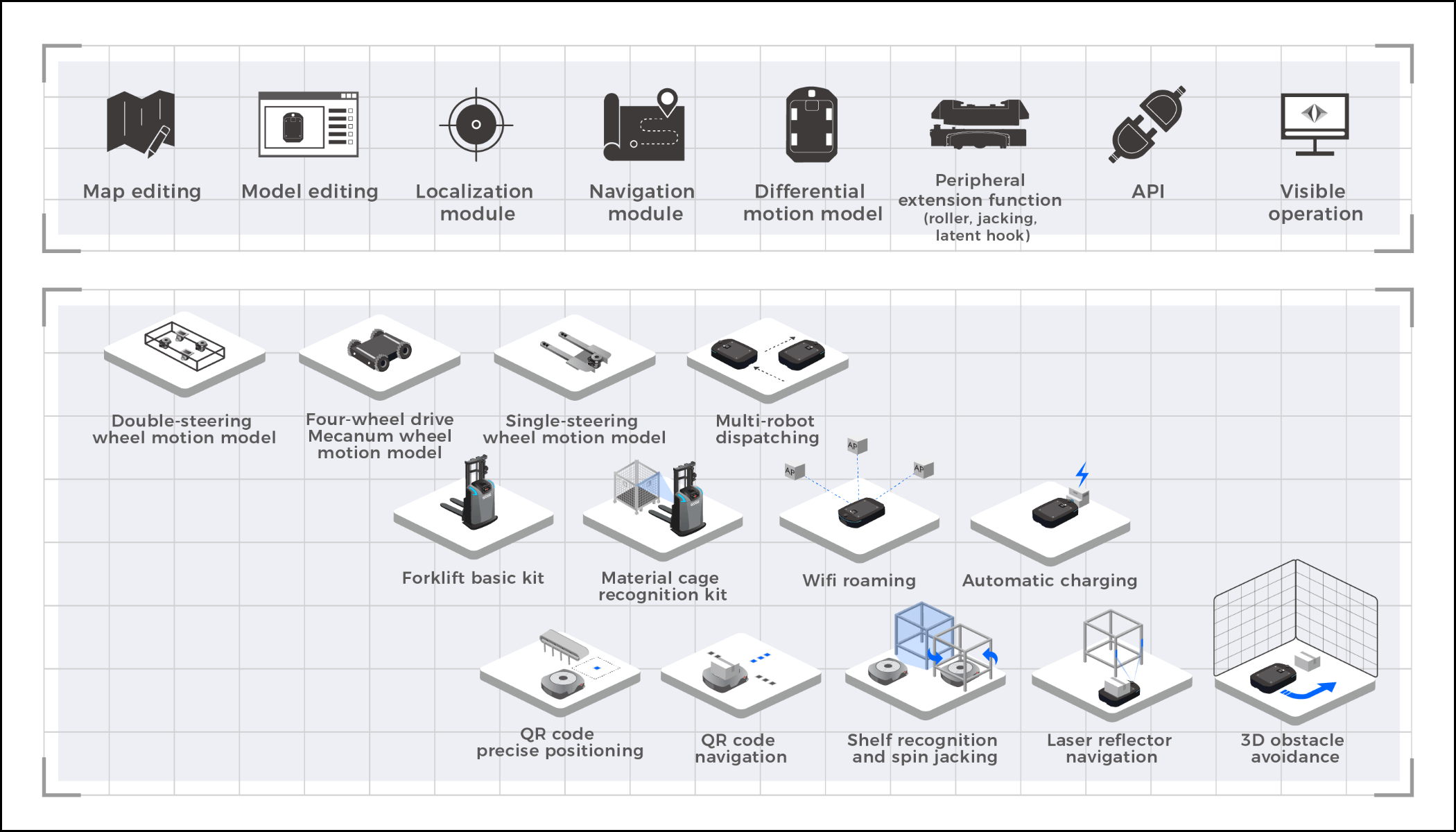
We will compare how different controller designs cope with noise, traffic, and risk—then see what to check before the next rollout.
The Hidden Gaps in Traditional Stacks
Where do the delays hide?
Here is the direct view. Legacy stacks stitch motion, safety, and comms across boxes and busses. A PLC handles I/O. A small PC runs planning. A safety relay cuts power. Every hop adds jitter. Under burst load, EtherCAT is fast, but the OS on top may not be. ROS 2 nodes help, but unmanaged executors can starve a critical loop. LiDAR fusion and odometry add compute spikes. Look, it’s simpler than you think: one slow callback in the motion loop is enough to trigger a brake, then a replan. You feel it as a stutter—funny how that works, right?
Now the user pain points you rarely see on a spec sheet. First, timing drift. Without hard time synchronization, sensor frames arrive late or out of order; the pose estimate wobbles. Second, fragmented diagnostics. You get logs from the planner, and separate logs from the safety layer, but no shared clock to correlate events. Third, control authority gaps. When the safety circuit trips, the motion stack does not know why, so it restarts a plan and repeats the trigger. Finally, path-local issues. Tight aisles magnify any error in kinematics or rate limiting, so power converters twitch and wheels scrub. In short: the old split-brain design works, until traffic and humans make it messy.
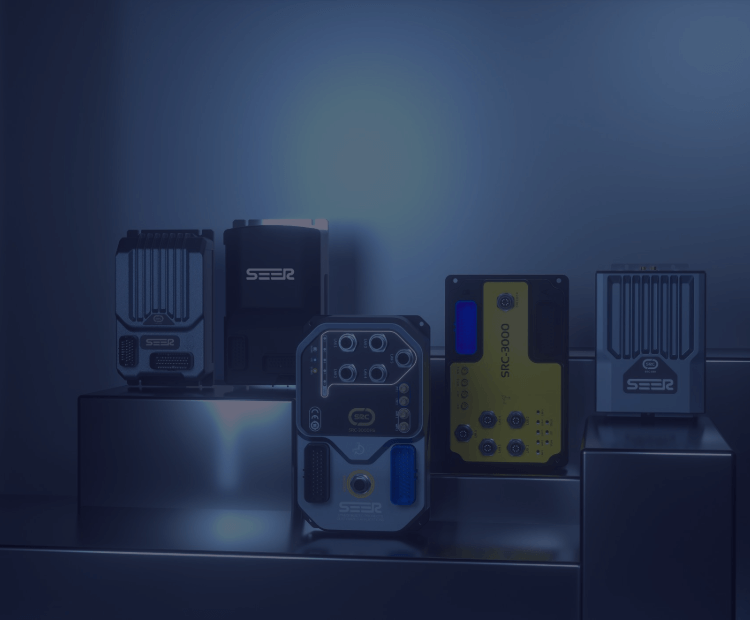
Next-Gen Control Principles, Side by Side
What’s Next
Forward-looking designs fuse motion, safety, and comms around one real-time core. The modern mobile robot controller runs hard real-time scheduling for the inner loop, with deterministic I/O and shared time across all nodes. Think TSN for the network, a synchronized clock for LiDAR fusion, and a safety layer that reports cause codes into the same timeline. New principles matter: event-driven planners that adapt on sensor events, not just cycles; model predictive control that respects torque limits and tire slip; and health monitors that watch CPU, thermal headroom, and CAN bus load (before problems bite). When the loop is tight, your robot coasts through cross-traffic instead of braking to a stop—and aisle capacity goes up.
Comparatively, the old approach stacked best-of-breed parts; the new approach integrates timing as a first-class asset. Less glue code, more observability. Fewer handoffs, more guaranteed deadlines. The lesson from pilots is plain: aligned clocks shrink “unknown cause” stops by double digits, and ROS 2 tuned with real-time executors cuts tail latency. To choose well, use three metrics: 1) end-to-end control-loop latency at 95th percentile under load; 2) cross-layer time correlation for faults and safety trips; 3) maintainability—how many tools to trace a bug from sensor to actuator. Keep it practical, keep it measurable—and keep people safe. For deeper technical briefs and platform options, see SEER Robotics.