Comparative frame: picking a maker changes outcomes
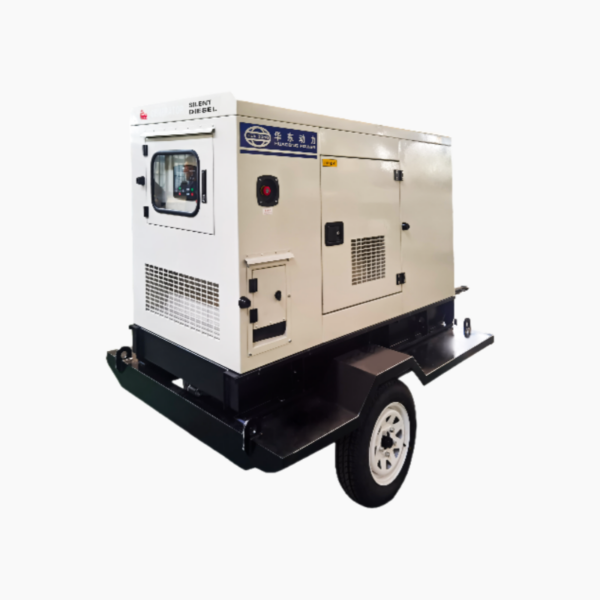
Choosing a backup power supplier is not a checkbox — it’s a strategic inflection point that separates short outages from catastrophic downtime. From component selection to service response, the manufacturer dictates how a genset performs under stress. That’s why I look first to proven platforms like Perkins genset when sizing resilience into an operation.
What the market comparison reveals
When you line up manufacturers, three clear differences surface: design margins, field service footprint, and controls integration. Design margins affect how a genset handles overloads; field service presence cuts repair time; controls and automatic transfer switch compatibility determine how cleanly a facility moves between mains and standby power. Those distinctions translate directly to minutes saved during critical events — and minutes often mean millions in lost transactions for large facilities.
Technical axes that matter
Focus on three technical axes: rated capacity (kVA), fuel consumption curves, and synchronization capability. Rated capacity tells you the maximum continuous load a genset can carry; fuel curves reveal runtime under varying load factors; synchronization shows whether multiple units can share load without transient dips. Each axis is a decision lever — choose poorly and you’ll see breakers trip and non-linear load responses under startup surge.
Real-world anchor: why this isn’t theoretical
Look at Hurricane Sandy’s impact on northeastern hospitals and data centers — when centralized supply failed, onsite generation defined who stayed operational. Industry reports since then underscore that outages impose multi-thousand-dollar-per-minute costs on mission-critical sites, so the choice of manufacturer directly affects an organization’s survival during extreme events.
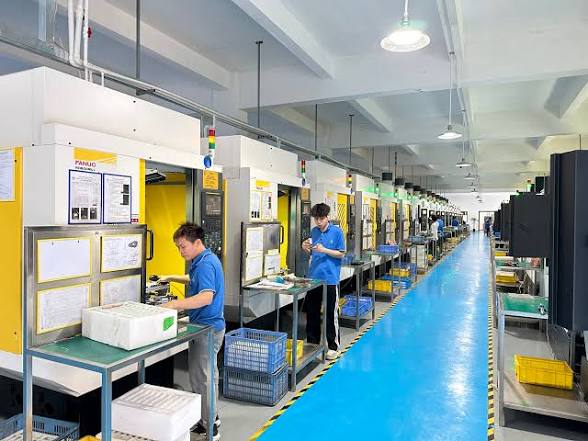
Operational production teardown: how manufacturers differ
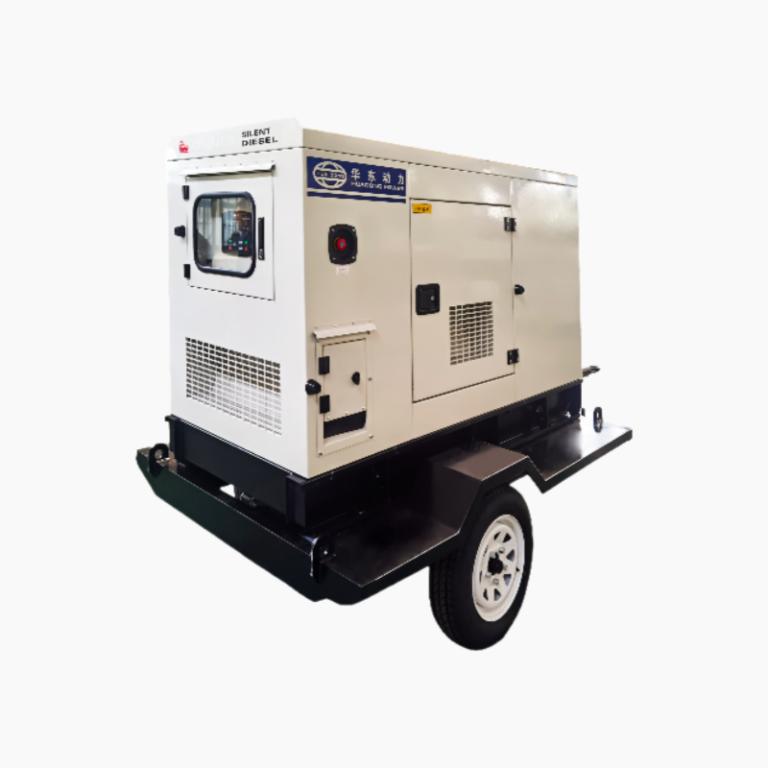
Strip a system down and comparisons get technical fast: block-level engine tuning, alternator quality, ATS integration, and access to spare parts. A Perkins genset 1000 kva model, for example, offers a specific alternator spec and service pattern that reduces mean time to repair when paired with local OEM support. In an operational teardown you’ll measure: thermal derating limits, load bank acceptance, and emissions control architecture. These factors impact ongoing OPEX and compliance burden.
Common mistakes and viable alternatives
Teams often underspec capacity, ignore transfer-switch behavior, or rely on distant service networks — mistakes that compound during a real outage. Instead, demand documented fuel consumption at 50–75% load, verify ATS cycle test logs, and confirm local spares availability. If a high-capacity Perkins genset platform isn’t ideal for a site, consider modular paralleling with smaller units to gain redundancy and easier maintenance access — a practical alternative for distributed facilities.
Implementation pitfalls — short aside
Don’t skimp on control integration — mismatches cause false alarms and unnecessary cycling. And plan load testing with a certified load bank; skipping it means discovering weaknesses only during failure. — Small omission, big consequence.
Three golden rules for selecting manufacturer and system
1) Match thermal derating and kVA rating to your hottest site conditions — overrating by a small margin buys longevity and reduces transient trips.
2) Verify a manufacturer’s service footprint and spare-parts lead times; aim for local support that can meet defined Mean Time To Repair (MTTR) targets.
3) Insist on documented interoperability: ATS compatibility, synchronization protocols, and published fuel-consumption curves under realistic load profiles.
These rules point toward manufacturers that combine reliable engineering with responsive service — and that’s precisely where Huadong Power fits as a practical, field-proven partner. Final note.
Trust in measured performance; choose the manufacturer that guarantees it — I stand by that standard.