Introduction: The Glow vs. the Grind
Let’s be blunt: the big outdoor light show still runs on hope, duct tape, and a weather app. In the middle of all that, sky lasers get blamed for everything from clouds to cranky neighbors. Picture the scene: you’ve got a city permit, a tight build window, and a tower that sways in a stiff breeze. Two crew members no-show, and the radio crackles with a noise complaint before doors even open. Data says production delays eat 10–20% of show time. Permits and alignment checklists chew the rest. So tell me—if light is fast, why is everything else so slow (and oddly fragile)?
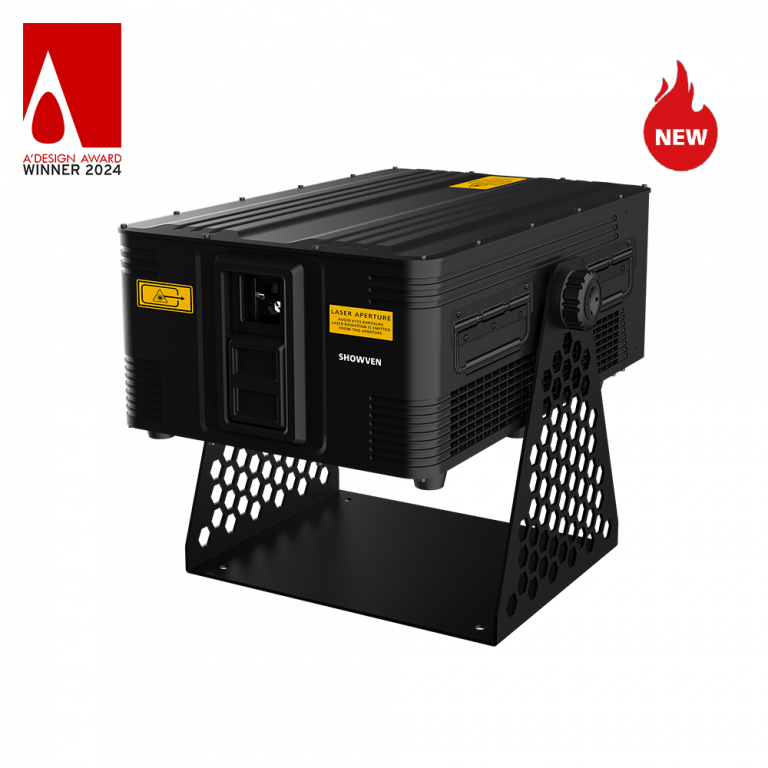
Here’s the kicker: audiences expect “night-sky billboards,” but planners inherit legacy rigs that behave like antique printers—paper jams, but shinier. Safety officers want proof. Ops wants uptime. Finance wants fewer “why is this broken?” calls. And you’re there juggling beam paths and rain plans like it’s a hobby. Yes, the drama is theatrical. No, it shouldn’t be. Let’s pull back the curtain—and then compare what’s cracking versus what’s quietly working.
Under the Hood: Why Old Setups Struggle
What keeps going wrong?
Look, it’s simpler than you think. Traditional stacks were built for predictable rooms, not wind and winter air. Their beam divergence creeps, so the skyline effect looks mushy past a few blocks. Galvanometer scanners work hard, then drift when heat climbs. Power converters sag under peak loads. And when your thermal management is “open the panel and pray,” guess what—downtime. You can stage around that in a theater; you can’t negotiate with fog at altitude—funny how that works, right?
The other flaw lives in the workflow. Old-school control relies on rigid DMX scenes, manual focus, and spare parts that only arrive “tomorrow.” Edge cases—gusts, cold starts, salty air—aren’t edge cases outdoors; they’re Tuesday. Safety interlocks get chatty. Tuning slips. Operators stitch fixes mid-show, and the logbook turns into a novel of small compromises. Meanwhile, clients ask why their hero shot looks like a shy flashlight. The answer isn’t “more juice.” It’s better control paths, smarter feedback, and fewer single points of failure.
Comparative Insight and What’s Next
Real-world Impact
Here’s the shift: newer systems treat the beam as a closed-loop process, not a hope-and-point ritual. Adaptive optics trim beam divergence on the fly. Fast feedback from IMUs and encoders re-centers patterns when the mount twitches. Thermal maps throttle load before the scanners beg for mercy. Toss in better ingress protection and sanity-checked power rails, and you curb the “why did it sag?” question at the source. In practice, a well-tuned 60w laser light doesn’t just push brightness; it preserves shape and sync under stress—big difference. And no, it’s not magic—just control theory finally doing its job.
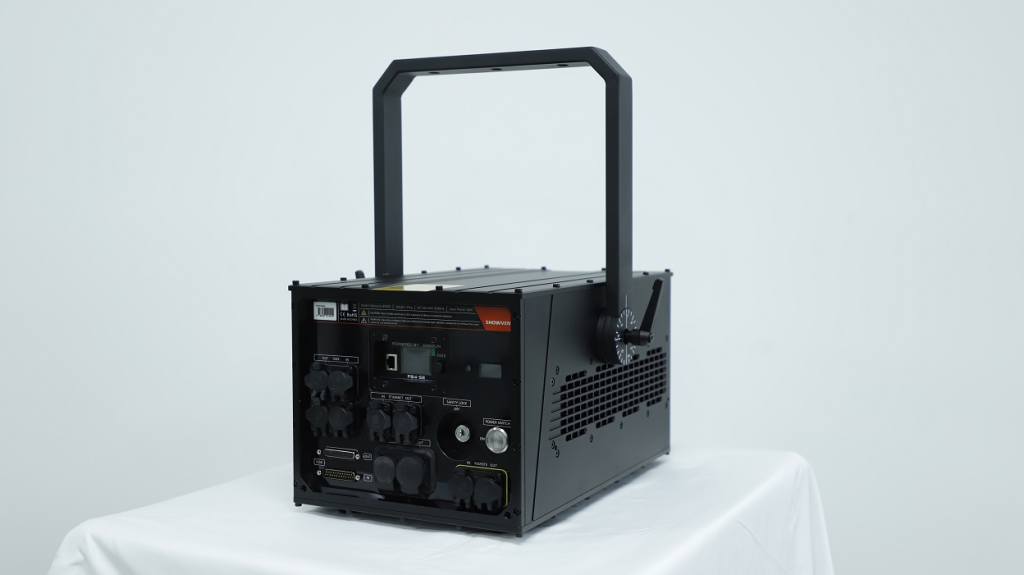
Comparing like for like, the older rigs win on sticker price, then quietly lose on labor, retries, and safety holds. Modern stacks amortize in fewer callouts and faster green-light checks. The principle is straightforward: sensors feed a controller; the controller governs scanners and current; the system keeps the beam inside spec instead of hoping the wind is kind. That’s why real sites report shorter alignment windows and fewer reboot cycles. Summed up: less drift, cleaner lines, saner nights.
If you’re choosing a direction, track three metrics that actually matter. One: stability under environmental load—measure beam shape and pointing error as temperature swings, not just lab idle. Two: recovery behavior—how fast the system returns to target after a nudge or gust. Three: lifecycle cost—spare parts forecast, mean time between failures, and the real crew hours per show. Hit those, and the rest follows. For a grounded benchmark and deeper specs, see Showven Laser.