Introduction: The System Behind the Sparkle
Foyer lighting is a system, not just a fixture. A chandelier supply company sees how that system behaves in real homes, day and night. When we talk about luxury foyer chandeliers, we often picture sparkle, not circuitry. Picture this: you come home late, step into a tall entry, and the first glow is either harsh or dull—no in-between. That isn’t taste. It’s about lumen output, power converters, and how controls talk to the driver. Data tells us lighting can consume a big slice of home energy, and poor settings waste more than you think (sige, check your bill next month). If the beam angle is wrong, a 2-story space feels cold. If CRI falls short, colors look flat. Technical, yes, but this is daily life.
So here’s the question: can we design the foyer to feel grand and still work every single day? With the right plan—wiring, dimming, and safety—you can. Let’s move to what really holds people back.
Hidden Gaps: Why Beautiful Foyers Still Disappoint
What’s the real snag?
In Part 1, we explored the big-picture goals. Now, let’s go one layer deeper. The most common pain point is control. Many foyers run a single switch with no scene logic. That means no morning scene, no evening scene, no party mode—just on or off. Look, it’s simpler than you think: pair dimming protocols with low-voltage drivers that accept smooth control curves. Without that, you get flicker at low levels, which makes a tall space feel uneasy—funny how that works, right? Another hidden gap is glare mapping. Shiny crystals plus the wrong beam spread can throw hotspots on walls, making the room feel busy. Then, there’s maintenance. If suspension hardware is not designed for service, cleaning becomes risky and rare. Dust builds up, light drops, mood drops with it.
Next up is color and consistency. High CRI matters at the door where guests judge finishes in a glance. But many fixtures mix LED bins, so tones shift over time. That’s why bin codes and driver quality are not small talk. They are the difference between warm welcome and “something feels off.” Finally, most homes ignore power staging. When you start heavy loads at once, breakers trip or drivers suffer. A smart layout staggers loads, protects circuits, and keeps dimming smooth. These are quiet issues—no brand sticker tells you this—but they decide whether your foyer stays stunning in year five, not just in week one.
Comparative Insight: Next-Gen Principles for Two-Story Spaces
What’s Next
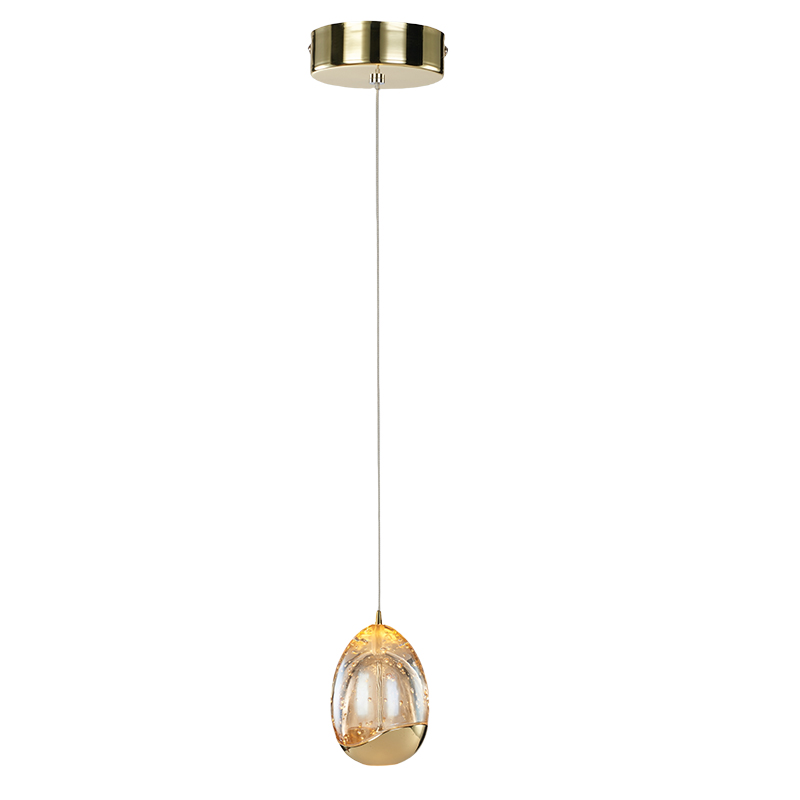
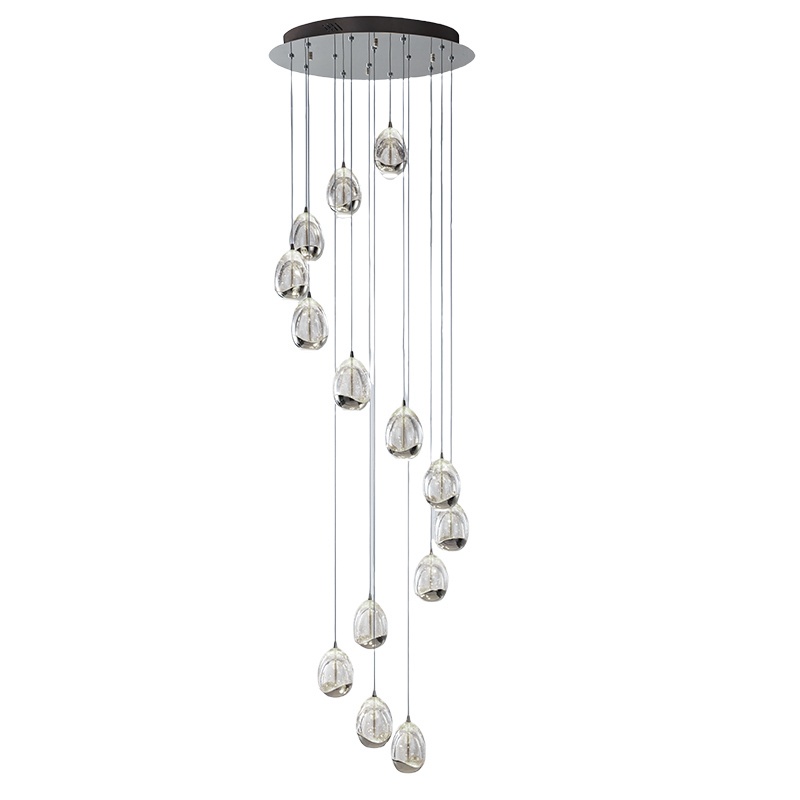
In Part 2, we centered on the day-to-day snags. Now, let’s compare old-school practice with new technology principles. Classic installs use fixed drivers, basic wall dimmers, and a single central box. New setups use distributed low-voltage rails, networked drivers, and soft-start logic. The shift lets a chandelier for 2 story foyer run cooler, dim lower, and last longer. Think of it like power with manners. Soft-start reduces inrush. Surge protection guards the system. And if you map zones—pendant core, ambient halo, stair accent—you get scenes that change the mood without changing fixtures. Small detail, big ease.
Materials change the math too. Diffused bubble glass spreads luminance, so you need fewer lumens to feel bright. That cuts load and improves comfort. Meanwhile, sealed couplers and safer anchor points reduce service time at height—life is better when your ladder stays in storage. On controls, open protocols let you blend keypad, app, or even a time-based scene. No lock-in. No heavy rewiring. It’s a fair upgrade path, and it keeps options open if you remodel later. In short, smarter drivers, cleaner optics, and thoughtful zoning turn height into an advantage—more air, more glow, less glare. That contrast with old builds is clear—and worth it.
How to Choose: Three Metrics That Matter
Metric 1: Light quality. Target 90+ CRI and consistent CCT across all boards. Check for binning documentation and verify minimum flicker at low dim levels. Ask to see a 1% dim test on-site (yes, down to a whisper).
Metric 2: Power and protection. Confirm driver type, surge rating, and inrush control. Look for staged start and verified thermal limits. Good power converters and low-voltage drivers extend life and protect finish.
Metric 3: Serviceability and safety. Demand a lift plan or service method for tall installs. Inspect suspension hardware, anchor ratings, and access for cleaning. Clear access keeps performance stable—and keeps you safe, kasi safety first.
Pulling it together, the best foyer feels calm, scales with your day, and stays that way for years. Aim for smooth dimming, stable color, and easy care. The rest is style—yours. For deeper specs and options, you can explore kinglong.