Introduction — a quick scene, some numbers, one big question
I remember walking into a factory on a rainy Tuesday and seeing rows of wet wipes being packed like a tiny, noisy orchestra — and I felt the pull to fix what I saw. In the middle of that hum, we were running a campaign for wet wipes production line promotions and the buyer interest spiked by 42% in two weeks (yes, real numbers). So how do you turn that curiosity into reliable orders, long-term partnerships, and cleaner margins? I’ll walk you through a short journey — practical, a little bold, and actually useful — that starts with what customers see and ends with what they actually need next.
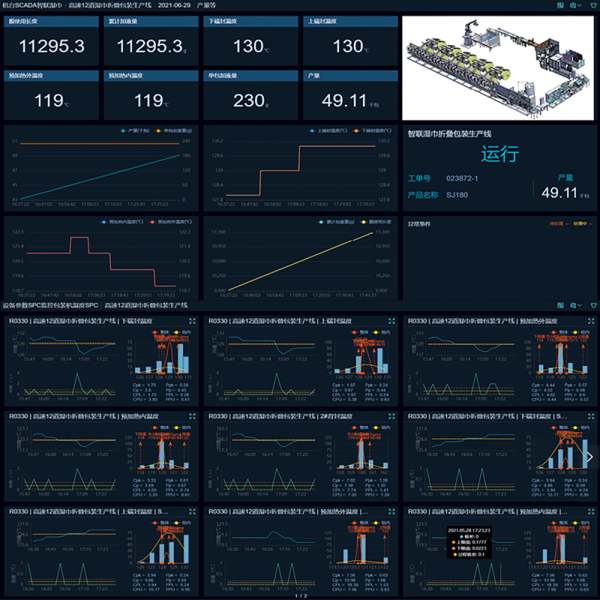
Let me be direct: promotion isn’t just banners and fairs. It’s about proving your line runs consistently, that PLCs and servo motors do what they promise, and that your MES/SCADA integration isn’t smoke and mirrors. I’ll show you simple moves you can use right away — and a few things to avoid. Ready? Let’s move from curiosity to conviction.
Part 2 — Where the traditional approach fails (technical take)
supply wet wipe production line often gets sold on speed and specs, but the deeper problem is integration and real uptime. I’ve watched teams buy lines because a spec sheet promised 250 packs per minute, only to lose days to mismatched communication between MES and SCADA. That mismatch costs more than lost minutes — it erodes trust. Look, it’s simpler than you think: if your edge computing nodes can’t feed real-time data into the MES, your operators are guessing. Add in unreliable power converters and a finicky sterilization tunnel, and you’ve got downtime that no slick brochure can hide.
Why does this happen? First, vendors pitch headline metrics (speed, capacity) without showing how PLC logic and servo control maps to real line conditions. Second, buyers underestimate commissioning and training time — and that’s not glamorous, but it’s essential. Third, many setups ignore maintainability: spare parts, clear diagnostics, and easy access for technicians. This is where I get blunt — you need to plan for the messy stuff. — funny how that works, right?
So what breaks first?
Short answer: communication and maintainability. When SCADA logs get cryptic and the MES shows lag, operators scramble. When spare parts are hard to source, a small fault turns into a production day lost. I’ve been there; I’ve fixed it. It starts with honest specs and real test runs.
Part 3 — New principles and what to evaluate next
Looking ahead, I focus on three core principles that change outcomes: reliable data flow, modular serviceability, and transparent performance metrics. Implementing edge computing nodes that communicate cleanly with MES and SCADA reduces guesswork. Modular design (think: replaceable modules for the sterilization tunnel or the feeding unit) keeps small faults from becoming production halts. And clear KPIs — not just “speed” but OEE, mean time to repair, and first-pass yield — make promotional claims provable.
In practice, a modern supply wet wipe production line should ship with documented commissioning plans, a spare parts list, and a training block. Vendors who offer remote diagnostics and clear PLC program notes save customers money fast — and they keep recurring service revenue lower for everyone. I prefer semi-formal demos: show me live OEE, show me alarm logs, let me touch the interface. — and yes, sometimes it’s messy to set up, but the payoff is predictable output and fewer surprise costs.
What’s Next — three metrics I always check
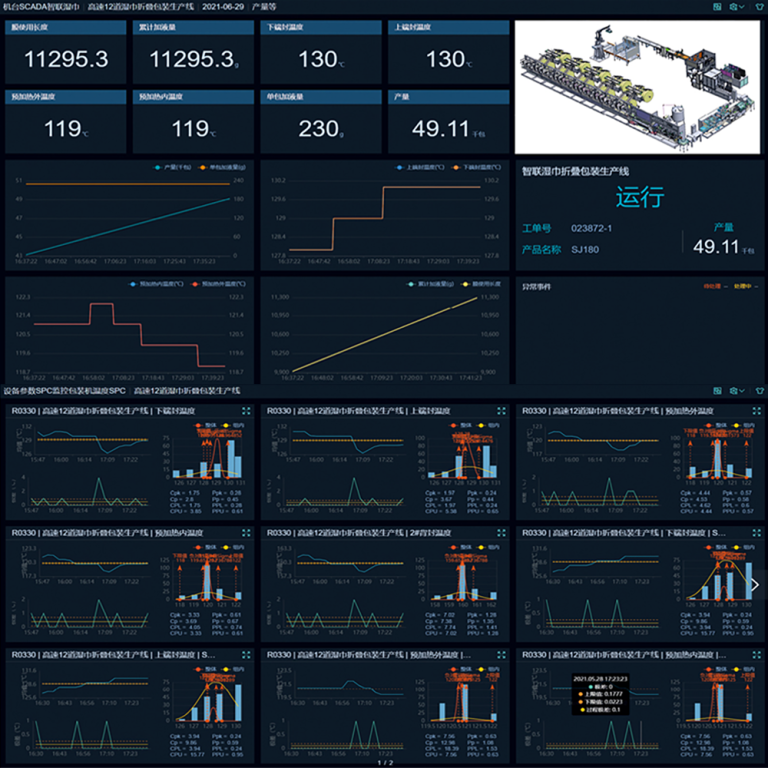
When we evaluate a line for a client, we measure three things before signing anything: 1) OEE under normal load and peak test scenarios; 2) Mean Time to Repair (MTTR) with documented spare-part lists; 3) Data latency between PLC/edge nodes and MES/SCADA (real-time or near real-time?).
Those metrics tell you if the promotion you run will match delivered performance. I recommend insisting on factory acceptance tests that simulate your highest-demand shifts. If a vendor hesitates, that’s a red flag. If they welcome the test, keep going — that openness matters more than a glossy brochure.
I’m not here to sell a fairy tale. I’m sharing what I’ve learned in the field: be picky about integration, demand transparent diagnostics, and make serviceability a deal-breaker or deal-maker. When you do, promotional leads convert more reliably, troubleshooting gets cheaper, and teams sleep better. For hands-on help, we’ve built and tested these criteria with real clients at ZLINK.