The Future of Organic Fertilizer: Exploring the High Temperature Aerobic Organic Fertilizer Fermentation Tank
Revolutionizing Waste Management
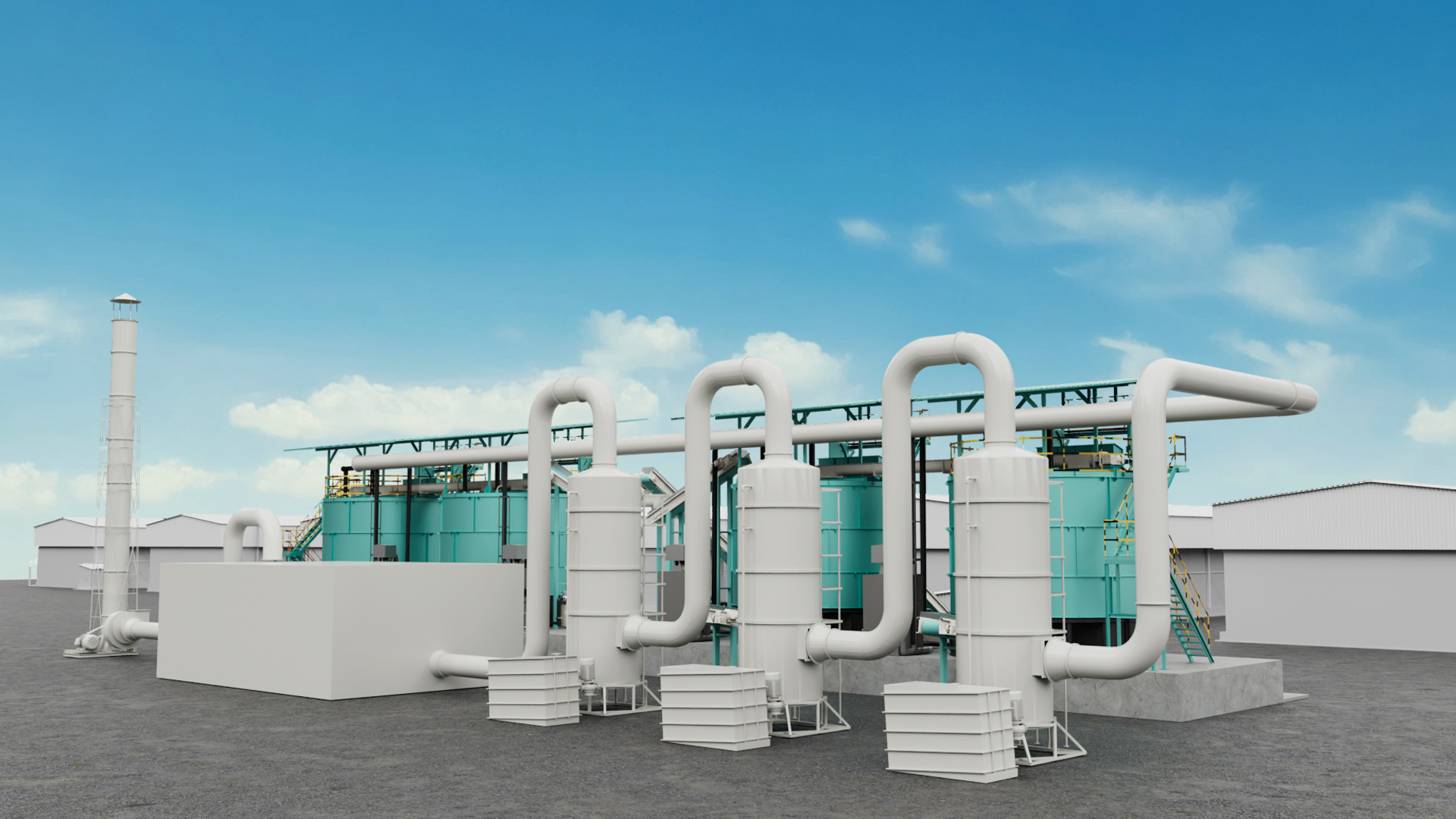
Imagine a world where every scrap of organic waste transforms into nutrient-rich fertilizer through cutting-edge technology. In the age of urbanization and global food demand, data shows that organic waste disposal exceeds 1.3 billion tons annually. How can we efficiently convert waste into resources? Enter the high temperature aerobic organic fertilizer fermentation tank, a groundbreaking solution that promises to change our agricultural landscape. This high-tech marvel not only optimizes the fermentation process but also addresses the shortcomings of traditional composting methods.
Challenges of Traditional Fertilization Solutions
Even though traditional composting has been around for centuries, it suffers significant flaws—slow decomposition rates and inconsistent nutrient profiles being just the tip of the iceberg. Trust me; I’ve seen farmers grappling with these issues firsthand. They rely on countless manual processes, which can be less efficient than desired, dragging down productivity. The need for a scalable, reliable solution is more evident than ever. But what exactly can a high temperature aerobic organic fertilizer fermentation tank bring to the table?
What Makes the Fermentation Tank Unique?
Unlike conventional composting, these fermentation tanks utilize high temperatures to accelerate decomposition, creating fertile soil amendments in a fraction of the time. I vividly recall witnessing the transformation of organic waste into rich fertilizer within just a few weeks during a farm visit in early 2022. The outcome was impressive—an efficient turnover of raw materials that not only reduced waste but also powered crop yields. The state-of-the-art process even allows for batch control, ensuring optimal conditions for microbe activity, key to successful fermentation.

Shifting Perspectives: The Bio-Organic Fertilizer Fermentation Tower
Looking forward, the introduction of the Bio-organic fertilizer fermentation tower adds a new dimension to organic farming. With an enhanced capacity for processing larger volumes of organic material, this system presents opportunities for large-scale agricultural operations that previously felt impossible. The transition from inefficient methods to such technological advancements is not merely a trend—it’s a necessity in the face of climate change and sustainable agriculture demands.
Real-world Impact
As we embrace this new era, it’s critical to evaluate the practical outcomes. Picture a farm that used to struggle with waste management and now generates premium-quality organic fertilizer within weeks—transformational! Farmers can achieve more sustainable growth, leading to a positive environmental impact while ensuring food security. We have to ask: Are we truly prepared for such a radical shift in agricultural practices?
Key Insights and Moving Forward
As I reflect on the insights gathered from the evolution of organic fertilizer tanks, it’s clear they stand at the crossroads of innovation and necessity. Embracing their use not only enhances fertilizer production but also reduces waste and carbon footprints. What lessons have we learned? First, investing in technology like the high temperature aerobic organic fertilizer fermentation tank is paramount for sustainable farming.
Second, scalability should always guide our approach—solutions must be adaptable to various agricultural scales. Lastly, collaboration with tech providers, like Cason, is essential to foster innovation in bio-organics. I truly believe we’re on the brink of something extraordinary, where organic wastes become valuable resources. Isn’t that a future worth striving for?